

Online gambling can be easier to fit into a busy Canadian routine when personal limits are decided before play begins. The browser-based tools described for grizzlys quest casino online include deposit limits, session reminders, self-assessment information and self-exclusion. These controls are useful only when treated as boundaries rather than obstacles. Provincial availability, age requirements and account conditions still apply, so players should read the operator’s current terms and confirm which options are available to them before using the service.
Choose a limit before entertainment becomes spending
A deposit limit is one of the clearest ways to separate gambling money from everyday finances. The available account controls are described as supporting daily, weekly and monthly deposit limits. Rather than choosing a figure based on a particularly good or bad session, consider an amount that would remain affordable if it were lost completely. Rent, groceries, debt payments, savings and other essentials should be excluded before any entertainment budget is considered.
Different limit periods solve different problems. A daily limit can help someone who tends to make repeated deposits during one evening. A weekly limit may suit a player who uses several short sessions, while a monthly cap can provide a wider view of total discretionary spending. The best choice depends on personal habits, but a limit should be low enough to remain meaningful. A high ceiling that is rarely reached may offer less protection than a modest, realistic boundary.
Set the limit while calm, not after a loss or during a winning streak. Keep a separate record of deposits and withdrawals so the account balance does not become the only measure of spending. If the service applies a waiting period or requires support contact to change a restriction, that delay can be useful: it creates time to reconsider an impulsive increase. Never treat a limit as a target to spend, and never borrow money to continue playing.
Use session reminders to interrupt automatic play
Time can become difficult to judge when games are designed for continuous interaction. Session reminders provide a prompt to pause and review how long a person has been online. The source material identifies session reminders among the responsible-gambling features, although it does not establish their exact intervals, display style or configuration process. Players should check the account’s current settings rather than assuming a particular reminder schedule.
A reminder works best when it leads to a concrete action. When one appears, stop the game, leave the gambling page and assess the time spent, the amount deposited and the original reason for playing. A short break away from the screen can make it easier to decide whether the activity still feels recreational. If the answer is unclear, ending the session is safer than continuing until a preferred result occurs.
Browser access makes this especially relevant on phones and tablets, where gambling can take place during commutes, breaks or late at night. A responsive mobile site may make games and account areas convenient, but convenience can also remove natural stopping points. Consider keeping gambling away from work, sleep and family routines. Turning off unnecessary notifications, closing the browser after a session and avoiding play when tired can reinforce the reminder.
Know when a self-assessment is more useful than another session
Self-assessment information is intended to encourage reflection, not to diagnose a health condition. Questions may prompt a player to consider whether gambling is taking more time or money than intended, whether losses create pressure to continue, or whether the activity is affecting relationships, work or mood. Answering honestly is more valuable than selecting responses that appear reassuring.
One concerning sign may not tell the whole story, but a pattern deserves attention. Repeatedly increasing deposits, hiding activity, chasing losses, neglecting responsibilities or feeling unable to stop can indicate that ordinary spending limits are no longer sufficient. A player does not need to wait for severe financial harm before taking a break. Self-assessment can be a practical checkpoint that supports an earlier decision to pause or seek help.
For Canadian information about safer gambling and related support, the Responsible Gambling Council’s public resources offer an established starting point. That information is general and does not confirm the features, legality or availability of any particular operator. If a self-assessment raises concerns, avoid trying to resolve them by winning back losses. Stop gambling, tell a trusted person what is happening and look for qualified support in the relevant province.
Make self-exclusion a firm break, not a temporary promise
Self-exclusion is intended for situations where voluntary moderation is not working or where a complete break feels necessary. The available information says that self-exclusion is supported, while also indicating that requests for exclusion and some other controls may require contact with support. The precise duration, activation method, coverage and re-opening conditions are not established, so those details should be confirmed directly in the current responsible-gambling section or Help Centre.
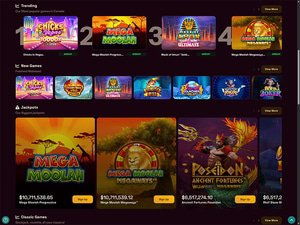
Before requesting exclusion, withdraw attention from active play rather than making another deposit. Record any important account information, resolve practical questions through support and remove saved shortcuts from devices if that will reduce temptation. Do not interpret a pending request as permission to continue. If access remains available while a request is being processed, the safest approach is to stop using the account until the restriction is confirmed.
A self-exclusion request should be treated as a serious boundary, not as a challenge to bypass. Do not create another account, use another person’s credentials or ask someone else to gamble on your behalf. If the account is shared with household devices, tell a trusted person about the decision and consider additional financial or digital safeguards. Where gambling is causing urgent financial, emotional or relationship harm, seek immediate support beyond the operator’s tools.
Check the limits of browser-based controls
Account tools can reduce risk, but they cannot control every route to gambling. The site is described as a responsive browser service for iPhone, Android phones and tablets, rather than a confirmed native application. A player may therefore access the account from several browsers or devices. A deposit limit attached to one account does not necessarily restrict gambling elsewhere, and it should not be mistaken for a universal block across other operators.
Geography is another practical limitation. The service is described as available in parts of Canada, with eligibility depending on province and the applicable terms. It is not registered with iGaming Ontario, and promotions are described as unavailable to Ontario residents. These facts should not be used to infer that every responsible-gambling control works identically in every province. Confirm local eligibility, age requirements and the current terms before relying on an account feature.
Technology and personal safeguards work better together. Use device-level screen-time settings, banking alerts and a separate entertainment budget where appropriate. Keep passwords private and do not allow another person to use the account, since account-security reviews or identity checks may affect access. If a control is missing, unclear or difficult to activate, contact support before playing. No tool guarantees safe outcomes, so the final decision to stop remains important.
Questions Canadian players often ask
Can a deposit limit prevent all gambling losses?
No. It can restrict deposits within the relevant account and time period, but it does not prevent gambling with funds already held or using other services. Treat the limit as one safeguard among several. Track total spending, avoid multiple accounts and stop playing if the planned entertainment budget has been reached.
What should I do if I cannot keep to my own limit?
Stop the session instead of increasing the limit or chasing losses. Use the account’s self-exclusion option if appropriate, contact support to ask how controls work, and tell someone you trust. A self-assessment or professional support service can help identify whether gambling has moved beyond manageable recreation.
Do session reminders make mobile gambling safe?
No. Reminders can interrupt automatic play, but they do not replace a spending boundary or a decision to stop. Mobile access can make gambling available in more places and at more times. Keep it away from work, sleep and essential responsibilities, and end the session when the reminder appears.

Comentarios recientes